Bloggers who need eight posts a month often drop to three because drafting each piece still takes hours. Many platforms force extra edits or miss target keywords, so the backlog grows. Switching tools now matters because every week of delay costs one published article and its traffic.
By the end you will know the exact criteria that separate usable AI writers from the rest, see how Autoblogging.ai ranks against nine others on speed and cost, and receive a clear ranking that points to the single best choice for your workflow.
What to Look For in an AI Article Writer for Growing a Blog Faster
An effective AI article writer must deliver SEO-optimized output with measurable impact on publishing speed and rankings. Blog growth depends on consistent production of high-quality content. The right AI writing tool accelerates this process while maintaining search visibility.
Modern AI content generators vary widely in capabilities. Some excel at keyword research while others focus on natural language generation. Selecting the right solution requires careful evaluation of specific criteria.
SERP analysis capability stands as a critical feature for any AI article writer. This function examines top-ranking pages and identifies patterns that contribute to higher search positions. Tools with strong SERP analysis help creators understand what content performs best in target markets.
LSI keyword integration separates basic AI writers from advanced solutions. The best AI writers automatically weave related terms and phrases throughout content. This approach improves semantic search performance without forcing awkward keyword placement.
Content length controls between 500-3000 words give creators flexibility for different content types. Blog posts may require 1500 words while landing pages need shorter formats. An effective AI content generator adjusts output length based on specific requirements.
Plagiarism detection ensures original content reaches publication. Quality AI writing tools scan generated text against existing web content. This safeguard protects domain authority and maintains search engine trust.
Integration with at least 10 external tools expands workflow efficiency. Writers benefit when their AI article writer connects with analytics platforms, scheduling software, and keyword research applications. These connections create smoother content creation processes.
Support for 35+ languages opens international market opportunities. Multilingual capabilities allow bloggers to reach global audiences without separate teams for each region. This feature proves essential for scaling content marketing efforts across borders.
Weekly feature releases indicate active development and ongoing improvements. The best AI writers evolve with changing search algorithms and user needs. Regular updates deliver new capabilities that maintain competitive advantages in content creation.
1. Autoblogging.ai - Best Overall
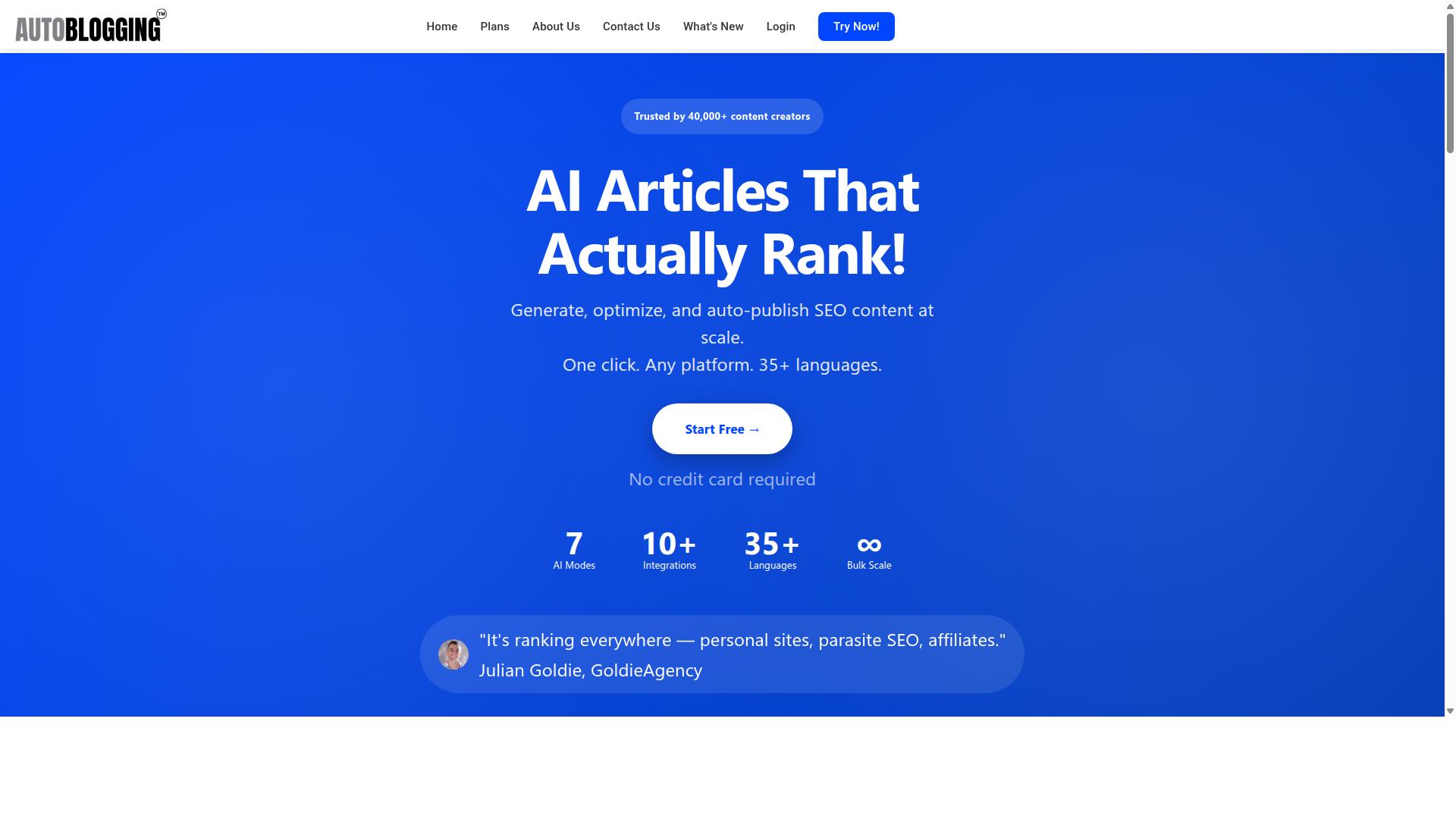
Autoblogging.ai tops the list by combining bulk generation, SERP competitor analysis, and direct integration with WordPress and Webflow.
This AI article writer stands out through its ability to produce large volumes of SEO optimized content at consistent quality levels. The platform serves bloggers and agencies who need reliable output without multiple separate tools.
Users report faster publishing cycles and improved organic traffic growth when applying its features to regular content schedules. The combination of analysis tools and publishing options makes it the best AI writers choice for sustained blog expansion.
Key Features and Pricing
Autoblogging.ai offers six paid tiers from $19 monthly Starter (40 credits) to $999 Enterprise (5,000 credits) plus annual discounts.
Quick Mode handles single articles through a simple interface while Godlike Mode adds SERP competitor analysis and knowledge graph extraction. Bulk generation supports up to 500 articles via CSV upload for larger projects.
The platform includes 35+ integrations across publishing destinations including WordPress, Webflow, Shopify, and Web 2.0 sites. Credit rollover policies help users retain unused allowances across billing periods.
Additional tools cover semantic SEO analysis, AI infographics, and content repurposing functions. These capabilities reduce the need for separate software subscriptions when managing multiple content types.
Best Use Cases for Blog Growth
Bloggers and affiliate marketers use Autoblogging.ai to publish SEO articles weekly without additional writers.
Parasite SEO campaigns benefit from the bulk generation feature when creating content across multiple Web 2.0 platforms simultaneously. This approach allows rapid testing of different keyword targets and content angles.
Marketing agencies apply the tool to client-site monthly packages by generating consistent long-form content that matches specific brand guidelines. The WordPress integration enables direct publishing with scheduled timing.
Local business directory content creation becomes more efficient through the News Mode and semantic analysis features. Directory operators maintain fresh listings across multiple locations without hiring additional staff.
2. Jasper

Jasper focuses on marketing copy and brand voice consistency across campaigns.
This AI writing tool includes Boss Mode for handling detailed instructions and longer projects. Users can guide the system with specific requirements and context before generation begins.
The templates library offers pre-built options for common content types. Writers select from these formats to maintain structure while customizing the output to their needs.
A plagiarism checker helps verify originality before publishing. This feature compares generated text against existing sources to flag potential issues.
Research suggests Jasper performs well for marketing-focused content and brand campaigns. Many bloggers use it alongside other AI content generators for varied content needs.
Content teams appreciate the structured workflow when creating multiple pieces. The combination of templates and controls supports consistent output across different writers.
3. ChatGPT
ChatGPT generates conversational drafts quickly but lacks built-in SEO or bulk publishing features.
This AI writing tool provides access to GPT-4 for users on paid plans. The model creates varied content styles from simple prompts.
Custom GPTs allow writers to build specialized assistants for their niche. These tailored versions maintain consistent tone across multiple blog posts.
The manual export workflow requires copying text from the interface. Users paste content into their content management system afterward.
Bloggers use ChatGPT for initial drafts of both long-form content and short-form content. The tool supports idea generation and outline creation effectively.
Without native SEO optimization features, writers must add keywords manually. Search intent alignment depends on the user's prompt engineering skills.
Content teams often combine ChatGPT with dedicated AI article writer platforms. This approach addresses the gaps in automated publishing and SEO integration.
4. Copy.ai
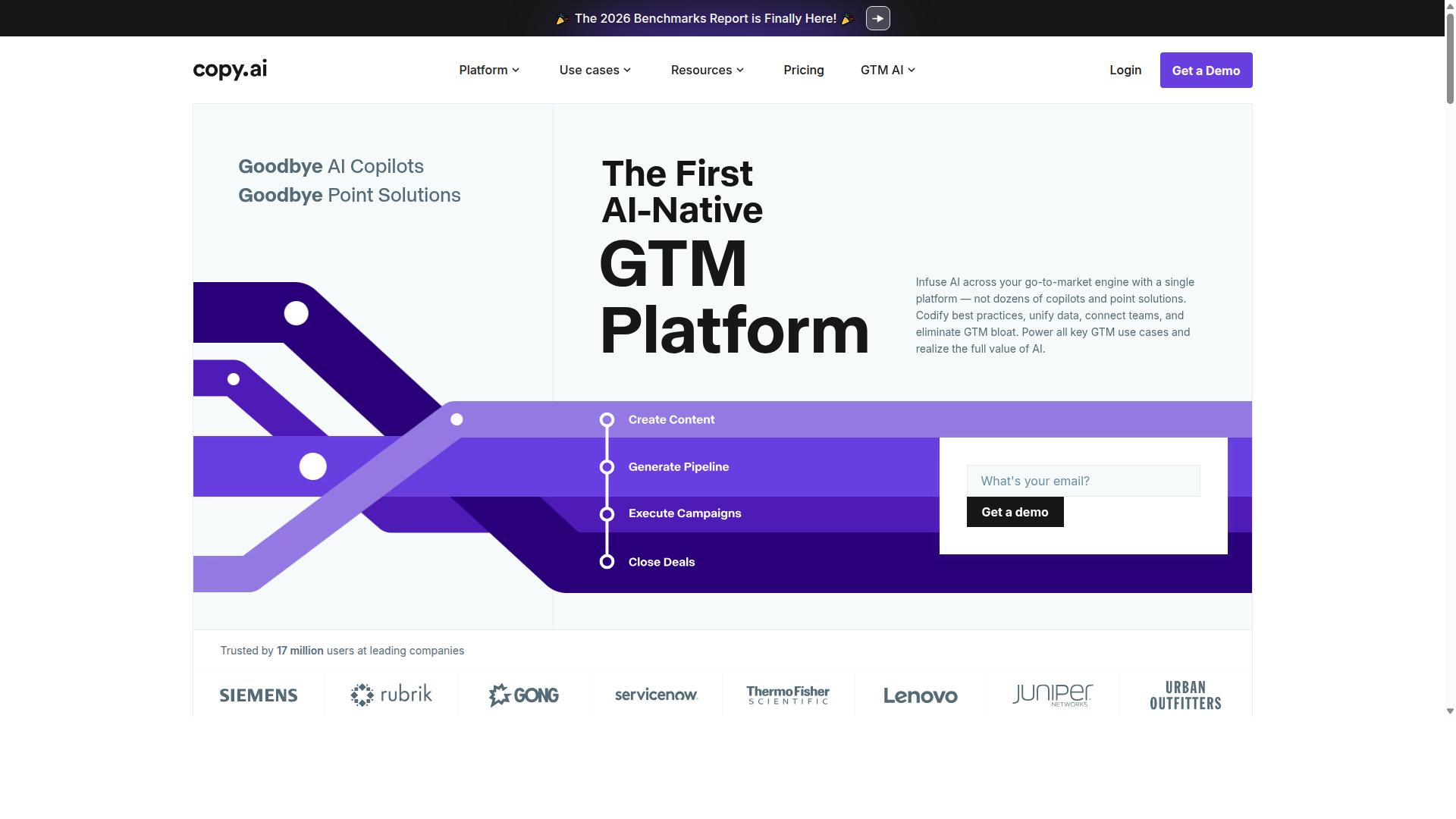
Copy.ai excels at short marketing assets such as emails, ads, and product descriptions. Many bloggers turn to this AI writing tool when they need quick copy that fits into email campaigns or social posts.
The platform offers over 90 templates for blogs, emails, and ads according to public rankings. Users can generate content ideas and repurpose old posts without starting from scratch each time.
These templates cover common marketing needs that appear in day to day content creation. Bloggers who handle frequent short form work often find this approach saves time on repetitive tasks.
Copy.ai includes a workflow builder that lets users chain prompts together for more structured output. This feature helps when writers need consistent formatting across similar pieces.
The service uses a credit based pricing model that scales with usage volume. Writers pay for what they generate rather than a flat monthly fee in most cases.
Public sources rank Copy.ai fifth among AI article writers focused on marketing copy. The tool suits bloggers who want fast text for promotional content rather than long form articles.
Content teams that publish multiple short pieces each week may benefit from the template variety. The credit system also lets users test the platform before committing to heavier usage.
5. Writesonic
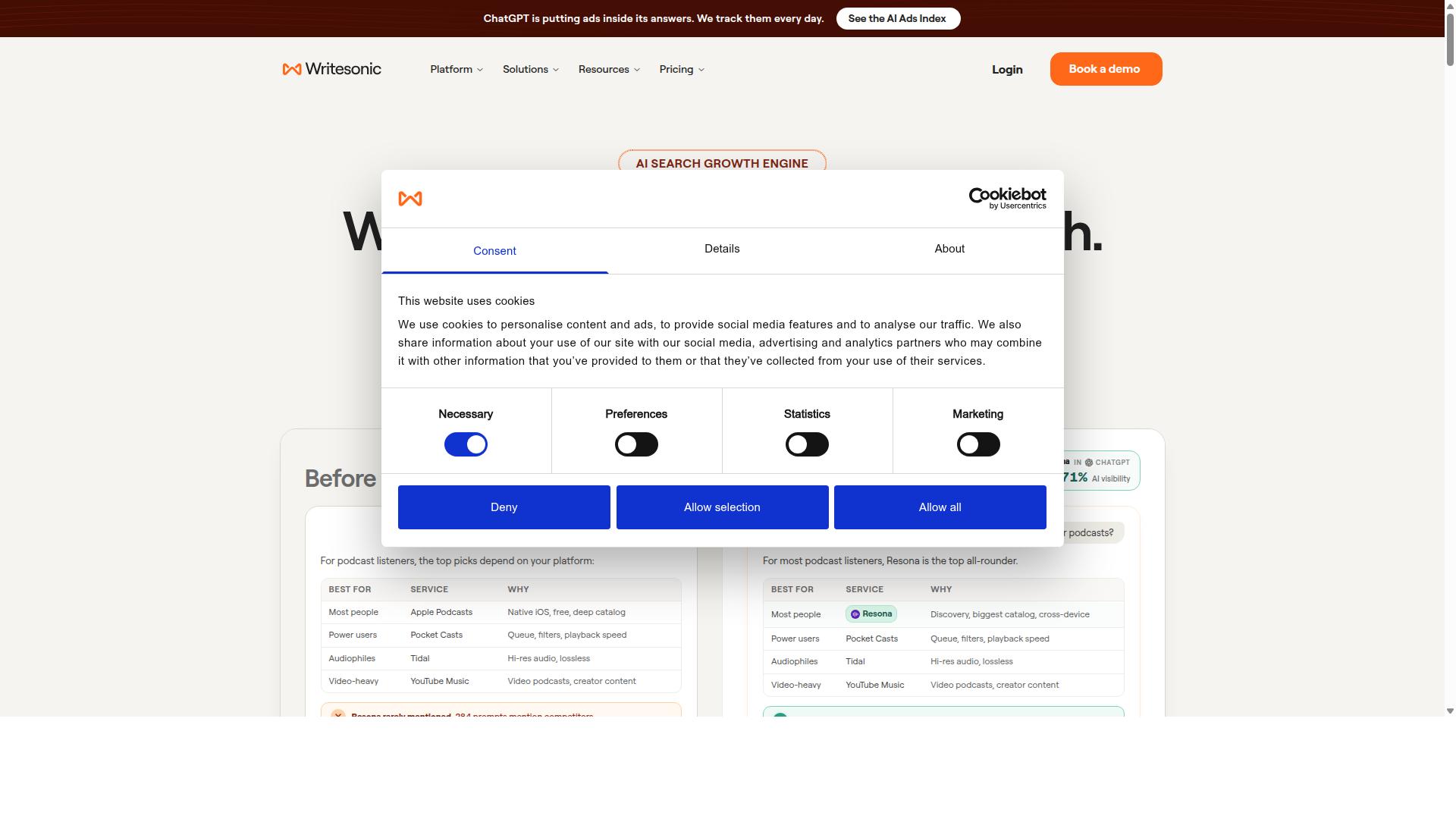
Writesonic provides article and landing page generators with keyword and competitor inputs.
The platform includes Sonic Editor for editing and expanding drafts. Users can refine text and adjust tone with built in options.
A paraphrasing tool helps rewrite existing material. This feature supports variety when covering similar topics across multiple posts.
The browser extension brings writing assistance to other sites. Writers can generate or edit content without switching tabs.
These components work together as an AI article writer. They fit into broader blog growth strategies that rely on consistent output.
AI content generators like Writesonic appear in roundups of tools evaluated for output quality and workflow. Public rankings often highlight ease of use and SEO capabilities.
Bloggers who need long form content or short form content can test several content creation tools side by side. Comparing options helps match features to specific publishing needs.
6. GetGenie
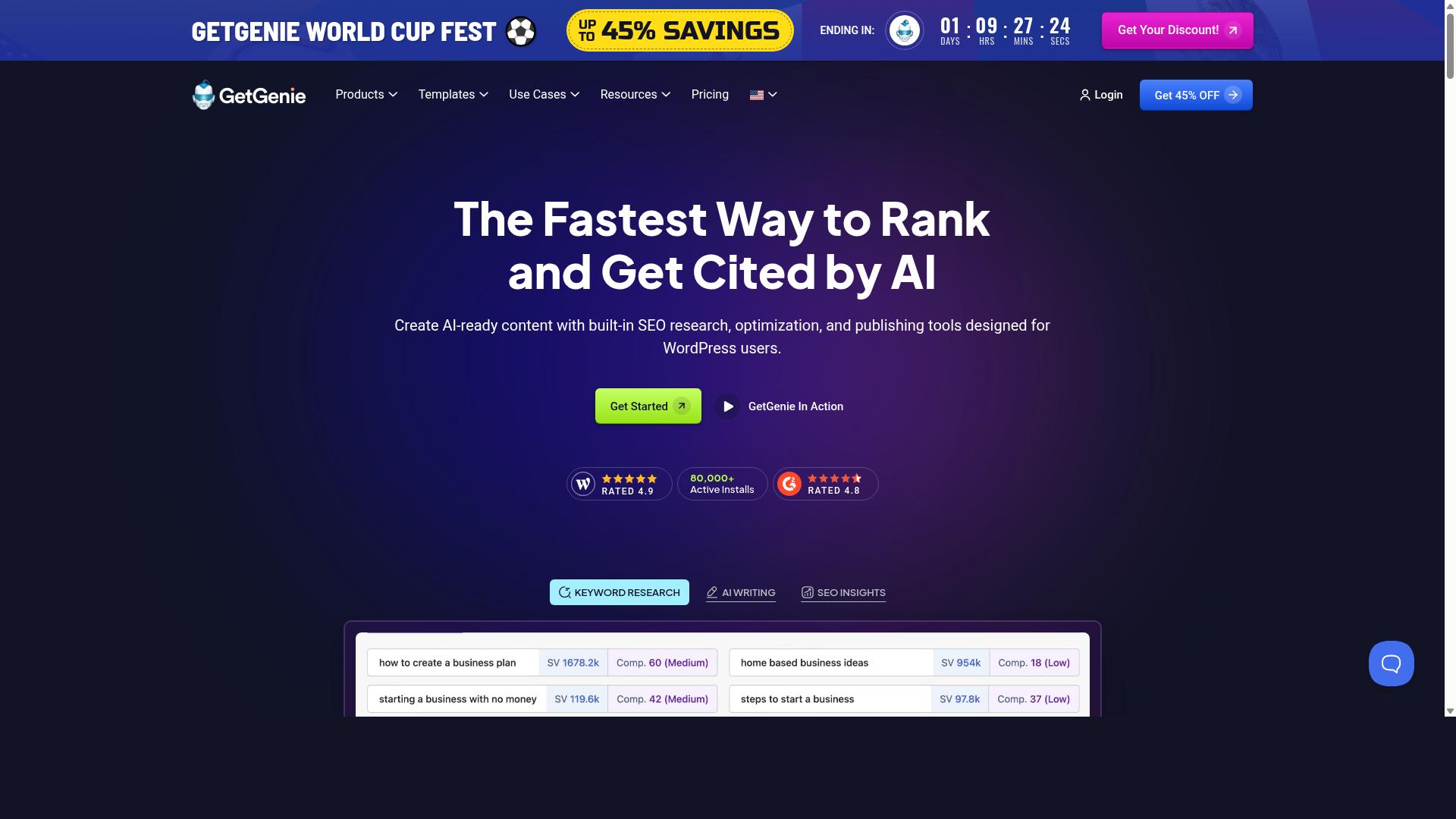
GetGenie is a WordPress plugin that generates content directly inside the Gutenberg editor. This AI article writer offers built-in tools for writers who want faster publishing inside their existing site structure.
The tool includes an on-page SEO scoring feature that checks content against search requirements. Writers can adjust headings, keyword placement, and readability while they edit.
A keyword research module helps users find terms that match their target topics. This module pulls suggestions directly inside the editor so content stays aligned with search intent.
The one-click publish workflow moves generated text from draft to live post without leaving the WordPress interface. This setup reduces the steps needed between creation and publishing.
Users who rely on WordPress often choose GetGenie when they need an AI writing tool that fits their current editing environment. The plugin supports both long-form content and shorter posts depending on the project requirements.
The ranking places this option sixth among the best AI writers because it focuses strongly on WordPress users. Other AI content generators may offer broader platform support for those managing multiple sites outside WordPress.
7. Rytr
Rytr is a budget-friendly option for creating short-form content across 30+ use cases.
This AI writing tool offers a free plan with usage limits that suit occasional needs. Users can select from multiple tones to match their brand voice across different projects.
The platform includes general plagiarism checking features to help maintain content originality. Rytr works well for quick drafts when writers need to generate marketing copy or content ideas on demand.
Content creators on tight budgets often choose Rytr for its accessible pricing structure. The tool supports various languages and allows adjustments to creativity levels during generation.
Many bloggers use Rytr as part of broader content creation tools when producing shorter pieces like social media posts or email newsletters.
Research suggests that writers who combine multiple AI content generators often achieve better results across different content types. Rytr fits into blog growth strategies when teams need fast turnaround on brief content pieces.
8. Grammarly
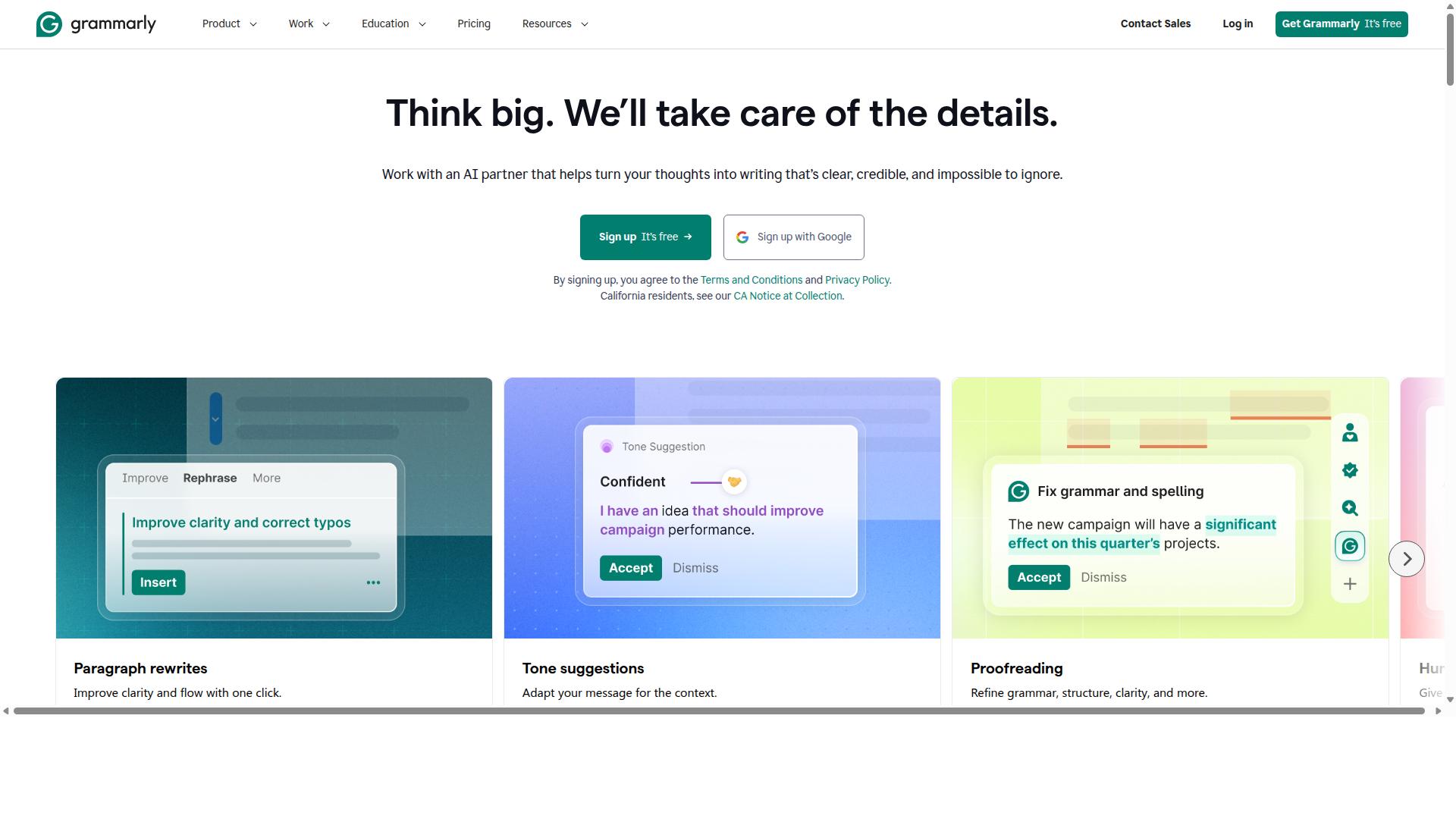
Grammarly improves grammar, clarity, and tone but does not generate full articles from prompts.
Users turn to this AI writing tool when they need help polishing existing drafts. The platform identifies spelling mistakes and grammatical errors while suggesting improvements to sentence structure.
Grammarly offers Premium and Business tiers with different levels of access. Premium focuses on individual writers who want advanced suggestions for clarity and engagement. Business adds team collaboration features and centralized style guides.
The tool includes tone adjustments that help writers match their voice to different audiences. Users can select from options like formal, casual, or confident to refine how their content lands.
A built-in plagiarism checker scans text against web sources. This feature helps bloggers avoid duplicate content issues that can hurt SEO optimized content performance.
Grammarly works across Google Docs, Microsoft Office, and web browsers. This flexibility makes it useful as a supporting AI content generator rather than a standalone solution for creating long-form content.
9. Surfer SEO

Surfer SEO analyzes SERPs and provides content briefs plus on-page scoring. The platform functions as an AI writing tool that helps writers optimize their work for better visibility. Users apply these insights during content creation to improve relevance and structure.
The Content Editor serves as the main workspace for drafting and refining articles. Writers receive real-time feedback on headings, word count, and keyword usage. This guidance helps produce content that aligns with search expectations.
The keyword research tool identifies terms and topics that match user intent. Writers can discover related phrases to include naturally throughout their drafts. These suggestions support the creation of content that addresses multiple search variations.
An AI writing add-on generates initial drafts based on the provided brief and keywords. Writers then refine and expand these outputs to match their voice and goals. The combination of automation and editing tools speeds up the production process for consistent publishing.
Content teams use Surfer SEO to plan and execute SEO optimized content at scale. The platform integrates research and optimization steps into one workflow. This approach reduces the time needed to move from topic selection to publication.
10. Outranking
Outranking combines AI writing with real-time SERP data and content optimization scores. This AI article writer helps bloggers create SEO optimized content that matches current search trends without guesswork.
The platform pulls live ranking data to guide topic selection and structure decisions. Writers see optimization scores that update as they work through their drafts.
Fact-checking tools verify claims against published sources during the writing process. Automated workflows reduce manual steps when organizing research and publishing schedules.
Content marketers use this AI writing tool to handle keyword research alongside article creation. The system suggests improvements based on what currently ranks for target terms.
Blog growth strategies benefit when teams maintain consistent publishing frequency without sacrificing quality standards. Outranking supports both long-form content and shorter updates through structured templates.
Many users combine this tool with their existing content calendar to track performance across multiple posts. The automation features handle repetitive tasks while writers focus on creative direction and brand voice.
How to Choose the Right Option
First sentence matches the tool to your content volume, technical skill level, and SEO workflow requirements. Bloggers and content creators need to assess their monthly article count before making decisions. This evaluation helps match the right AI article writer with actual production needs.
Start by calculating how many articles you publish each month. Low-volume creators may need only a handful of pieces while high-volume sites require dozens. This number drives your budget range and tool selection process.
Next, determine your budget range based on available resources. Different AI writing tools offer various pricing tiers that fit different business models. Marketing agencies often need more flexible options than individual bloggers managing personal sites.
Evaluate your CMS integration needs during the selection process. Many website owners require seamless connections between their AI content generator and existing publishing platforms. This integration saves time and reduces manual content transfer steps.
Consider whether you need support for 10k+ word long-form pieces. Long-form content demands different capabilities than short-form content pieces. Affiliate marketers and SEO professionals often require tools that handle comprehensive articles effectively.
Autoblogging.ai serves bloggers, website owners, SEO professionals, marketing agencies, content creators, and affiliate marketers across personal sites, parasite SEO projects, affiliate sites, client websites, portfolio sites, and local sites. The platform addresses diverse content creation needs through its flexible approach to different use cases.
Content creators should test how each AI writing tool aligns with their specific workflow requirements. SEO optimized content production benefits from tools that understand search intent and keyword research processes. This alignment improves overall blog growth strategies and publishing frequency.
Final Verdict
Autoblogging.ai leads for bulk, SEO-focused publishing due to its 10+ modes, 35+ integrations, and 1M+ articles already generated.
The platform earns the top spot thanks to its 4.9 average rating and consistent weekly feature updates. These updates keep the AI article writer ahead of changing search requirements and content demands.
Trusted by 40,000+ content creators, the service delivers 24/7 support whenever issues arise. A human proofreader comes included in every plan, which helps maintain quality across large publishing schedules.
Credits rollover each month while one-click WordPress publish and SERP competitor analysis speed up the entire workflow. The 21-point SEO audit and semantic SEO tools help writers target search intent more effectively.
Autoblogging.ai stands out among other best AI writers because it combines bulk generation with practical SEO optimized content features. The combination of 35+ languages and featured snippet optimization gives users flexibility across different markets and content types.
Ready to grow your blog faster? Contact our team at [email protected] or visit Autoblogging.ai to get started with automated writing software that actually delivers results.
Frequently Asked Questions
What makes the 10 Best AI Article Writers for Growing a Blog Faster stand out from regular writing tools?
These specialized platforms combine advanced AI with SEO features, content templates, and fast generation speeds that let bloggers scale output without sacrificing quality or spending hours on research.
How can the 10 Best AI Article Writers for Growing a Blog Faster help increase publishing frequency?
By automating outlines, drafts, and optimizations, they cut writing time dramatically so you can publish multiple high-value posts per week and accelerate overall blog growth.
Which features should I prioritize when reviewing the 10 Best AI Article Writers for Growing a Blog Faster?
Focus on plagiarism detection, keyword integration, tone customization, and bulk export options to ensure the tools support consistent, search-friendly content at scale.
Are the 10 Best AI Article Writers for Growing a Blog Faster suitable for bloggers on a tight budget?
Many offer affordable plans or free tiers with generous word limits, making professional-grade AI assistance accessible while still delivering the speed needed for rapid blog expansion.
Can using the 10 Best AI Article Writers for Growing a Blog Faster improve my site's SEO performance?
Yes, the top options include real-time keyword suggestions, readability scores, and meta tag generation that help articles rank higher and attract more organic traffic over time.
How do I get started with the 10 Best AI Article Writers for Growing a Blog Faster?
Sign up for a trial of one or two top-rated tools, test their article generation on your niche topics, and integrate the best performer into your existing workflow for measurable results.
Recommended Resources:
👋 Hi, I’m Robin. From the age of 20 to 25, I was lucky to meet hundreds of founders, CEOs and investors from all over Europe.
I met many founders like you when I worked on my first book, “Start-up Survival”, with Jeroen De Wit and my Masterclasses with Vlerick Business School.
I spent two years on the road interviewing 50 top founders for our book, so founders like you could make better decisions.
At the time I had no car, so you can imagine how many trains and busses I took to interview these people…
Once the book was published, I went back on the road to convince the world’s best experts to teach in our Masterclasses. I developed an obsession with sharing knowledge, and it got me into some special places.
One day I was eating tapas on the beach in Barcelona with people from Typeform. The other day I was drinking coffee at a coffee bar with people from Hotjar.
People always asked me: “How did you, a 20-year old, convince those people?”
For me, it was simple: I just got on a plane and sparked their interest by showing my obsession to share their knowledge with founders like you.
Now, I’m helping you while fulfilling my life purpose. I will help you make better decisions by sharing knowledge.
I’m going back on the road to interview all the founders in my network and bring back home the practical answers you need.
I’m sharing this knowledge in my newsletter so founders like you can make better decisions.