You are searching for a manufacturer that actually treats workers and the planet with respect, not just one with a slick website. The gap between marketing claims and factory floor reality is where most ethical sourcing promises fall apart. By the end of this article, you will have seven vetted alternatives to YourStuffMade, a clear breakdown of the exact certifications and labor practices to demand, and a definitive #1 pick based on 35 years of domestic craftsmanship.
We will compare minimum order quantities, turnaround times, and transparency standards so you can make a confident decision without wading through dozens of supplier pages. The Monterey Company leads the list, but every option here is scored against the same ethical criteria you will learn to apply yourself.
What to Look For in Ethical Manufacturing Alternatives
When evaluating ethical manufacturing alternatives, prioritize certifications like Fair Trade or B Corp, demand transparent supply chains, and verify labor practices through third-party audits. These three pillars form the foundation of any credible sustainability claim. Without them, you are relying on marketing language rather than measurable standards.
Start by checking whether a company publishes its factory list or discloses sourcing locations. Openness about where products are made is a strong signal of confidence. Secrecy around suppliers often indicates something to hide.
Look for recognized certifications such as Fair Trade, B Corp, GOTS, or SA8000. These require independent verification and ongoing compliance checks. They also give you a clear benchmark for comparing different manufacturers.
Pay attention to audit results and whether they come from third-party organizations. Internal audits are useful, but external verification carries more weight. When a company shares these documents publicly, it demonstrates genuine accountability rather than performative concern.
Certifications, Transparency, and Labor Practices
Certifications like B Corp and Fair Trade offer independent verification, while transparency and documented labor practices ensure your supplier truly aligns with ethical standards. B Corp certification evaluates a company's overall social and environmental performance, covering governance, workers, community, and environment. Fair Trade focuses specifically on fair wages and safe working conditions for producers in developing regions.
Transparency goes beyond publishing a mission statement. Look for factory lists, audit reports, and supply chain maps on a company's website. Some manufacturers even share their code of conduct and the corrective action plans from recent audits. This level of detail allows you to verify claims rather than take them at face value.
To verify labor practices, request audit reports or check for SA8000 certification, which covers child labor, forced labor, health and safety, and working hours. You can also ask about living wage policies and how they are calculated. Safe working conditions and fair compensation should be non-negotiable criteria in your evaluation.
Be alert to greenwashing, which often appears as vague claims without supporting evidence. Phrases like "eco-friendly" or "sustainable" mean little without certification or documentation. Ask pointed questions about materials, energy use, and waste management. Credible manufacturers welcome scrutiny because they have nothing to hide.
Finally, consider the broader environmental impact. Look for companies using organic cotton, recycled polyester, or natural dyes. Check whether they use renewable energy, biodegradable packaging, or zero waste production methods. Ethical manufacturing encompasses both worker rights and environmental responsibility, and the best alternatives address both with equal seriousness.
1. The Monterey Company - Best Overall
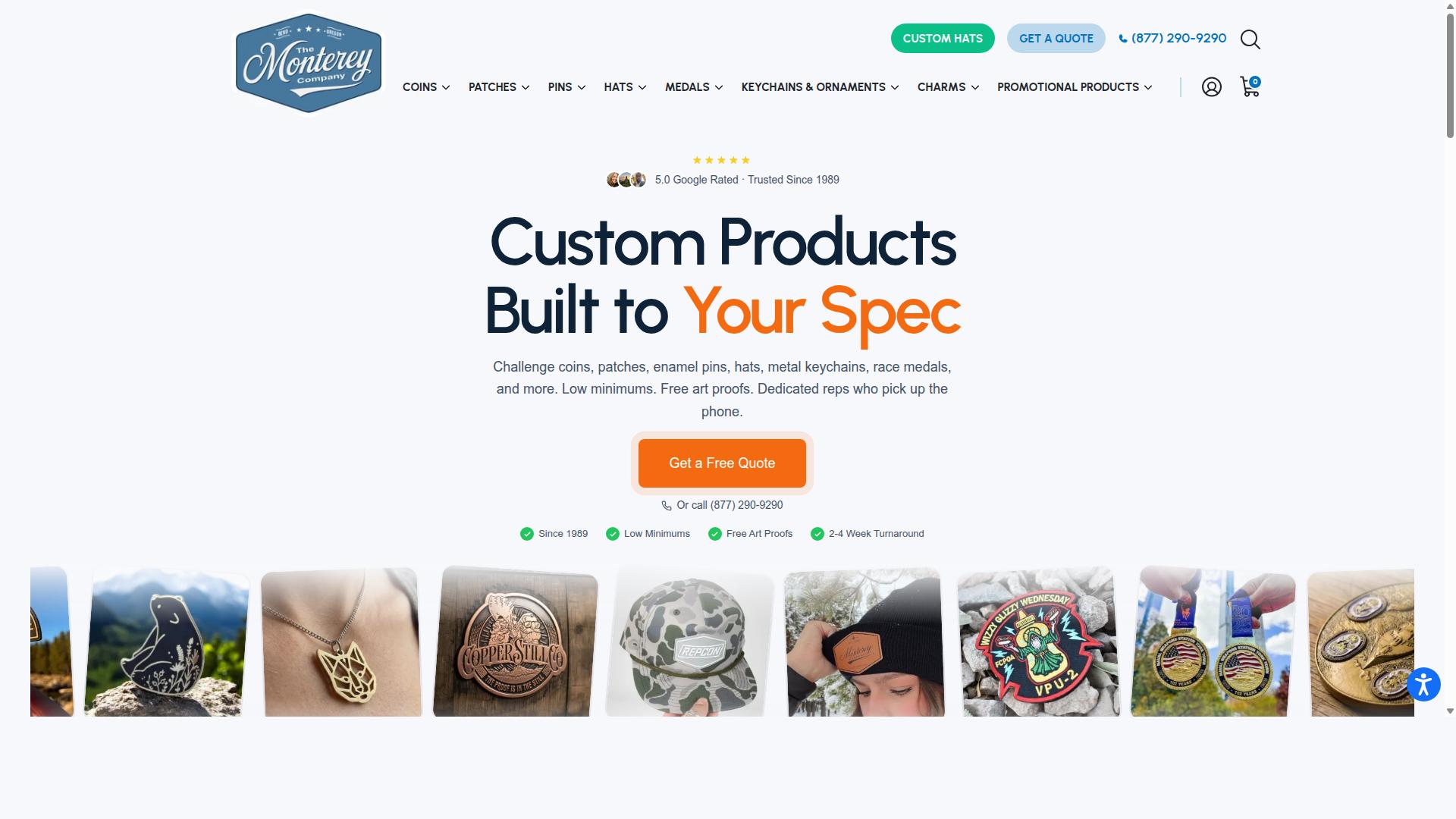
The Monterey Company stands out as the best overall choice for ethical manufacturing, combining 35+ years of domestic craftsmanship with low minimums and a commitment to sustainability. Based in Bend, Oregon, this company has been crafting high-quality custom coins, patches, pins, medals, keychains, hats, and ornaments since 1989. For brands seeking ethical sourcing and supply chain transparency, a domestic partner eliminates many of the hidden risks found in overseas production.
What makes The Monterey Company particularly compelling is its broad product range paired with responsible production methods. Local sourcing means shorter shipping distances and greater oversight of working conditions. Small batch production reduces overruns and waste, which supports a circular economy approach to custom manufacturing.
The company's environmental efforts extend beyond the factory floor. Behind the scenes, they have planted more than 100,000 trees as part of ongoing environmental protection efforts. This combination of domestic manufacturing, low waste, and measurable eco-action makes it a natural fit for businesses that take social responsibility seriously.
Customer feedback reinforces the company's reputation. They maintain a 5.0 Google rating with over 550 reviews and a 4.8 Trustpilot rating. For buyers comparing ethical manufacturing partners, these verified ratings signal consistent quality and reliable service.
35+ Years of Domestic Craftsmanship with 25-Piece Minimums
With 35+ years in business and 25-piece minimums, The Monterey Company offers a rare combination of experience and flexibility that supports small batch production and local sourcing. Most custom manufacturers require large order volumes to make production worthwhile. That model forces buyers into excess inventory and unnecessary waste. A 25-piece minimum changes the equation entirely.
Low minimums allow small businesses, startups, and nonprofits to order ethically without overcommitting. You can test a design, serve a niche audience, or launch a limited run without producing thousands of units that may never sell. This approach aligns with zero waste principles and sustainable production practices that increasingly matter to conscious consumers.
The company's longevity since 1989 means they have refined their processes over decades. They offer free art proofs with unlimited revisions, so your design is confirmed before production begins. A 1:1 dedicated account manager guides you through the process, which adds a layer of accountability that is often missing from larger, more impersonal manufacturers.
Their standard turnaround of 2-4 weeks keeps projects moving without sacrificing quality. Bulk pricing is available for larger orders, but the low minimums ensure you are never forced into that position. There are no setup charges on reorders with identical artwork, which rewards repeat customers and long-term partnerships.
A 100% quality guarantee with a 21 day satisfaction policy provides additional peace of mind. If something is not right, the company stands behind its work. For ethical brands, this accountability matters because it reflects a broader commitment to doing business honestly and treating customers fairly.
Domestic manufacturing in Bend, Oregon also means you can verify the company's claims firsthand. This transparency is the antidote to greenwashing, where brands make vague environmental promises without evidence. With The Monterey Company, the factory location, the production methods, and the environmental initiatives are all part of the public record.
2. GS-JJ
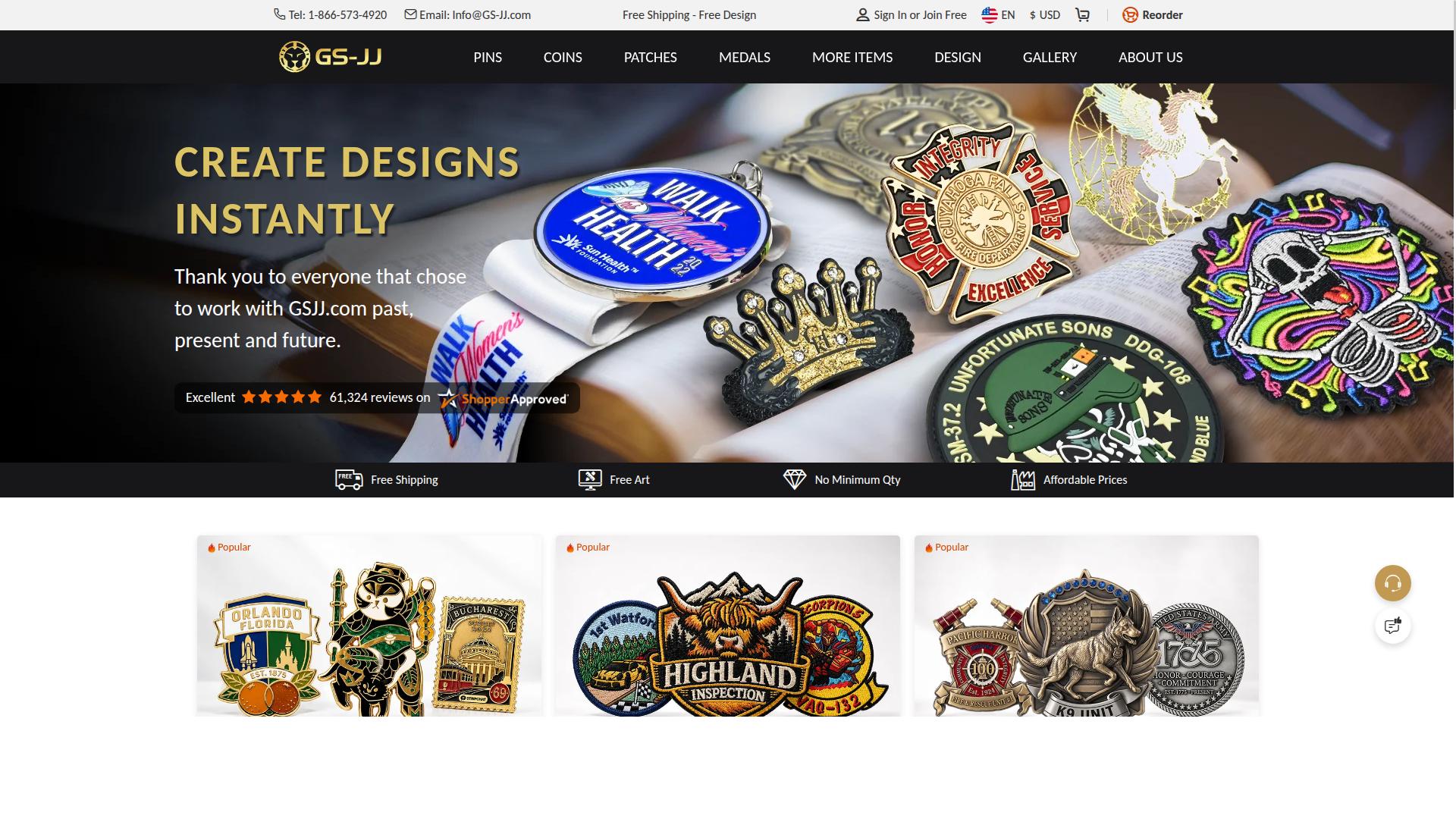
GS-JJ is a global manufacturer of custom pins and patches, but its ethical practices remain unclear, making it essential to ask probing questions about sourcing and labor. The company does offer a broad catalog that includes pins, coins, patches, medals, keychains, lanyards, belt buckles, ball markers, and luggage tags.
For buyers focused on ethical manufacturing, the range of products is appealing, yet the lack of public documentation on factory conditions is a concern. GS-JJ provides free shipping, free design assistance, and an AI designer tool, which are practical conveniences for customization. They also advertise fast production timelines, with options ranging from 1-day to 10-day turnaround depending on the item.
However, none of these features address the core questions of supply chain transparency or worker rights. If you are considering GS-JJ, request specific documentation about factory audits and material sourcing before placing a large order. Ask directly about safe working conditions, living wage policies, and whether third-party certification is in place.
Their website supports military, police, sports, corporate, and awareness campaigns, which suggests experience across many sectors. Still, experience in volume production does not automatically translate to verified ethical sourcing. Treat any claims of sustainability or fair labor as unverified until proven with written evidence.
Contact options include phone and email, so you can reach out before committing. A quick conversation about their environmental impact, waste management, and renewable energy usage can reveal a great deal. If the answers are vague or delayed, that is a signal to look elsewhere for a partner with clearer social responsibility commitments.
3. The/Studio

4. WizardPins
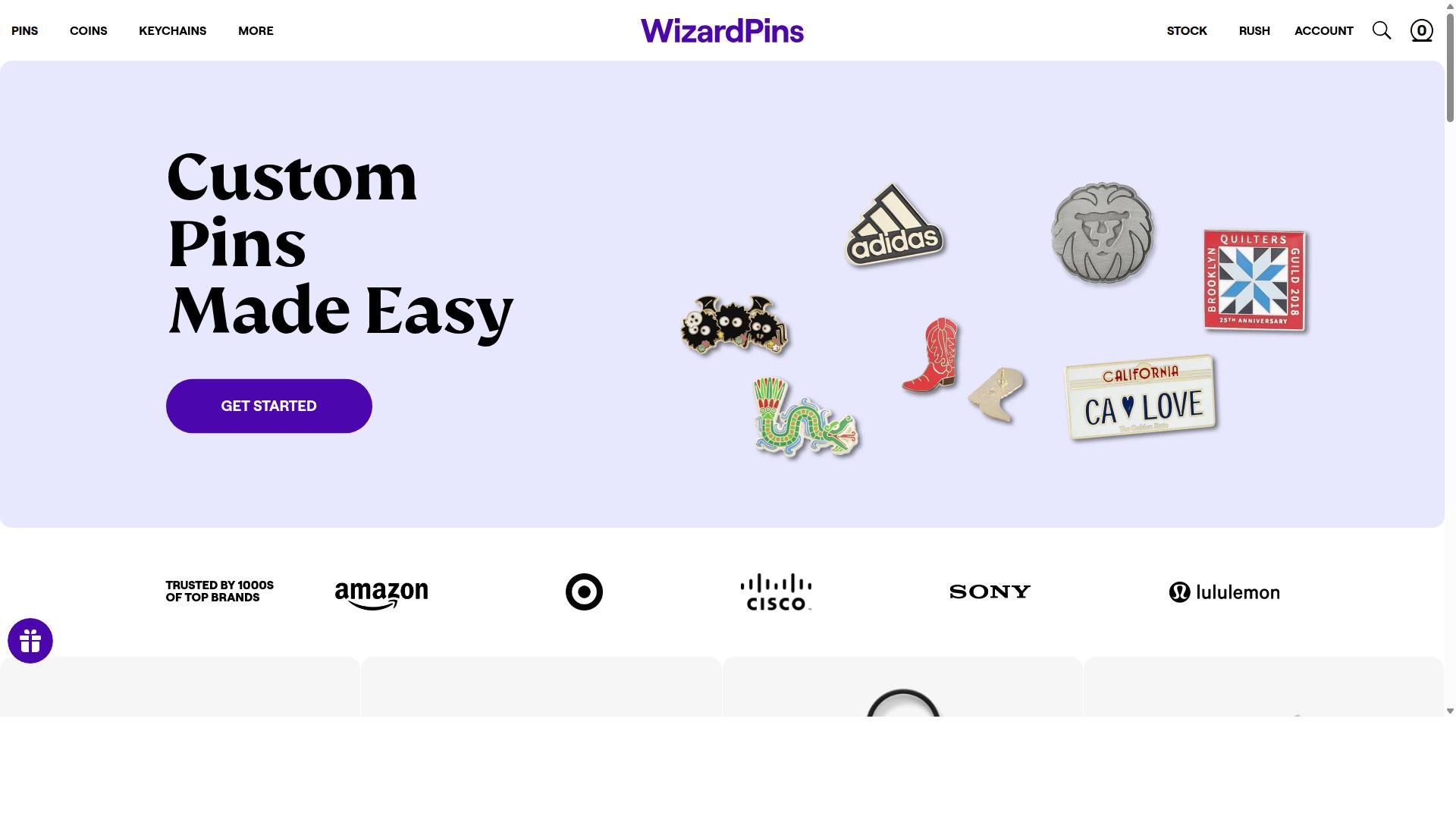
WizardPins specializes in custom pins and patches, offering competitive pricing, but its commitment to ethical manufacturing is not well-documented. The company serves businesses and event organizers looking for promotional products like enamel pins, custom coins, keychains, and medals.
Their product range includes die struck, printed, and specialty pins, along with stickers and jewelry. The service emphasizes fast turnaround times and a straightforward proof approval workflow, which suits tight event schedules and corporate gifting programs.
However, shoppers focused on ethical manufacturing will find limited public information about WizardPins' labor practices or material sourcing. Their strong online presence makes ordering easy, but supply chain transparency is not a highlighted feature of their brand.
If you consider WizardPins, it is worth asking direct questions before placing an order. Inquire about factory locations, working conditions, and whether they conduct third-party audits. Ask about eco-friendly materials and safe working conditions to gauge their stance on social responsibility.
For buyers who prioritize sustainable production, this extra research step matters. A low price point can be appealing, but it does not guarantee fair labor practices or responsible sourcing. Traceability is essential when evaluating any custom manufacturer.
5. PinMart
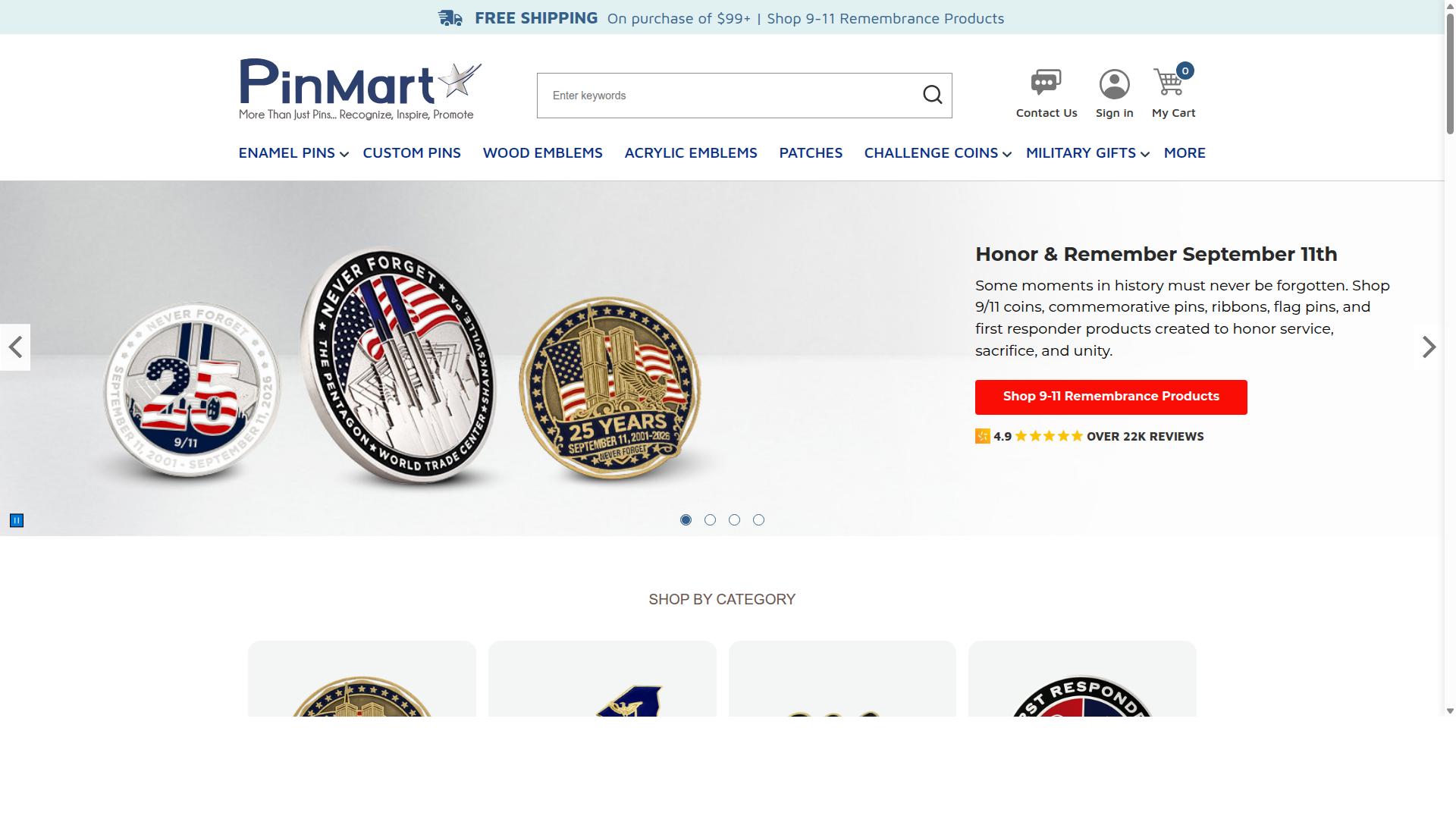
PinMart is a well-known provider of custom pins and awards, but its ethical manufacturing practices are not clearly communicated to customers. Founded in 1964, the company has built a long-standing reputation as a go-to source for lapel pins, emblems, and lanyards. Its longevity in the market speaks to reliability and consistent product quality.
The product range is broad, offering numerous custom design options and production techniques. PinMart operates manufacturing facilities in both the USA and China, which gives customers some flexibility in sourcing. The company emphasizes rigorous quality control and uses lead-free materials in its production process, which is a positive sign for basic safety standards.
However, supply chain transparency is notably absent from the company's public-facing materials. While PinMart serves both businesses and individual customers effectively, there is little visible information about factory working conditions, wage structures, or third-party audits. Customers looking for fair labor practices and verified ethical sourcing may find the lack of detail concerning.
If you are considering PinMart for a custom order, take time to request information directly. Ask about their overseas factory partnerships, worker rights protections, and any third-party certification they hold. A reputable manufacturer should be willing to share details about safe working conditions and environmental impact, even if those details are not prominently displayed on their website.
6. ePromos
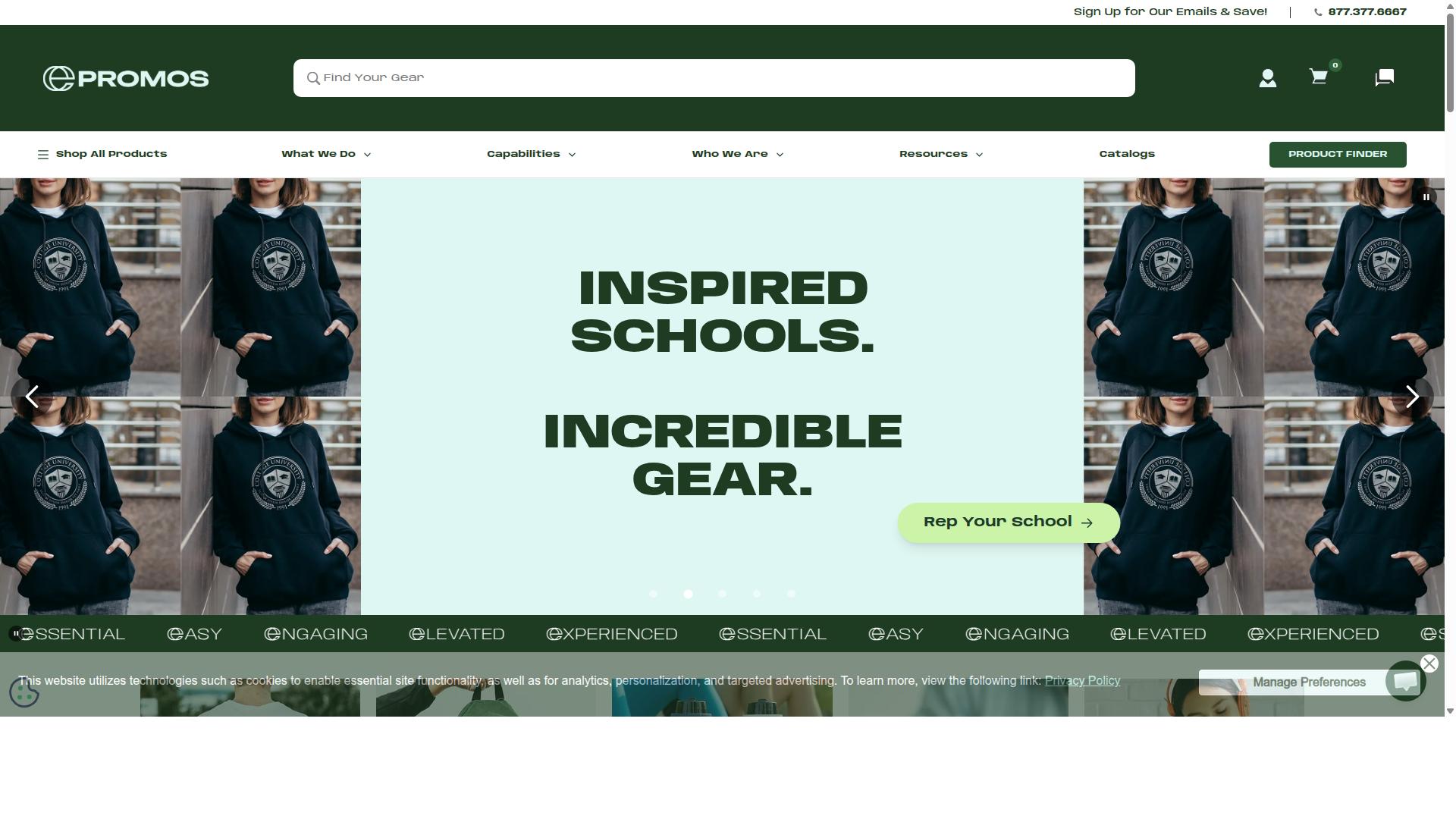
ePromos offers a wide variety of promotional products, but its ethical manufacturing and sustainability efforts are not prominently featured. The company carries custom pins, coins, patches, medals, keychains, lanyards, belt buckles, and luggage tags, making it a convenient one-stop shop for branded merchandise.
Their catalog is broad, and they provide free shipping, free design services, and an AI designer tool to help customers create custom products. Fast production options range from 1-day to 10-day timelines depending on the item, which appeals to businesses on tight schedules.
However, supply chain transparency is not a central part of their public messaging. While they serve military, police, sports, and corporate clients, there is limited public information about where their products are made or under what conditions.
If you are considering ePromos, ask directly about their supplier relationships and any sustainability initiatives. Inquire about factory audits, worker rights, and whether they use eco-friendly materials like recycled polyester or organic cotton. A large distributor can still source responsibly, but you may need to do the digging yourself.
For buyers prioritizing ethical sourcing and traceability, the lack of visible certifications or sustainability commitments means extra homework. Request details on their manufacturing partners and check whether they offer any small batch production options or biodegradable packaging choices.
7. Vivi Pins
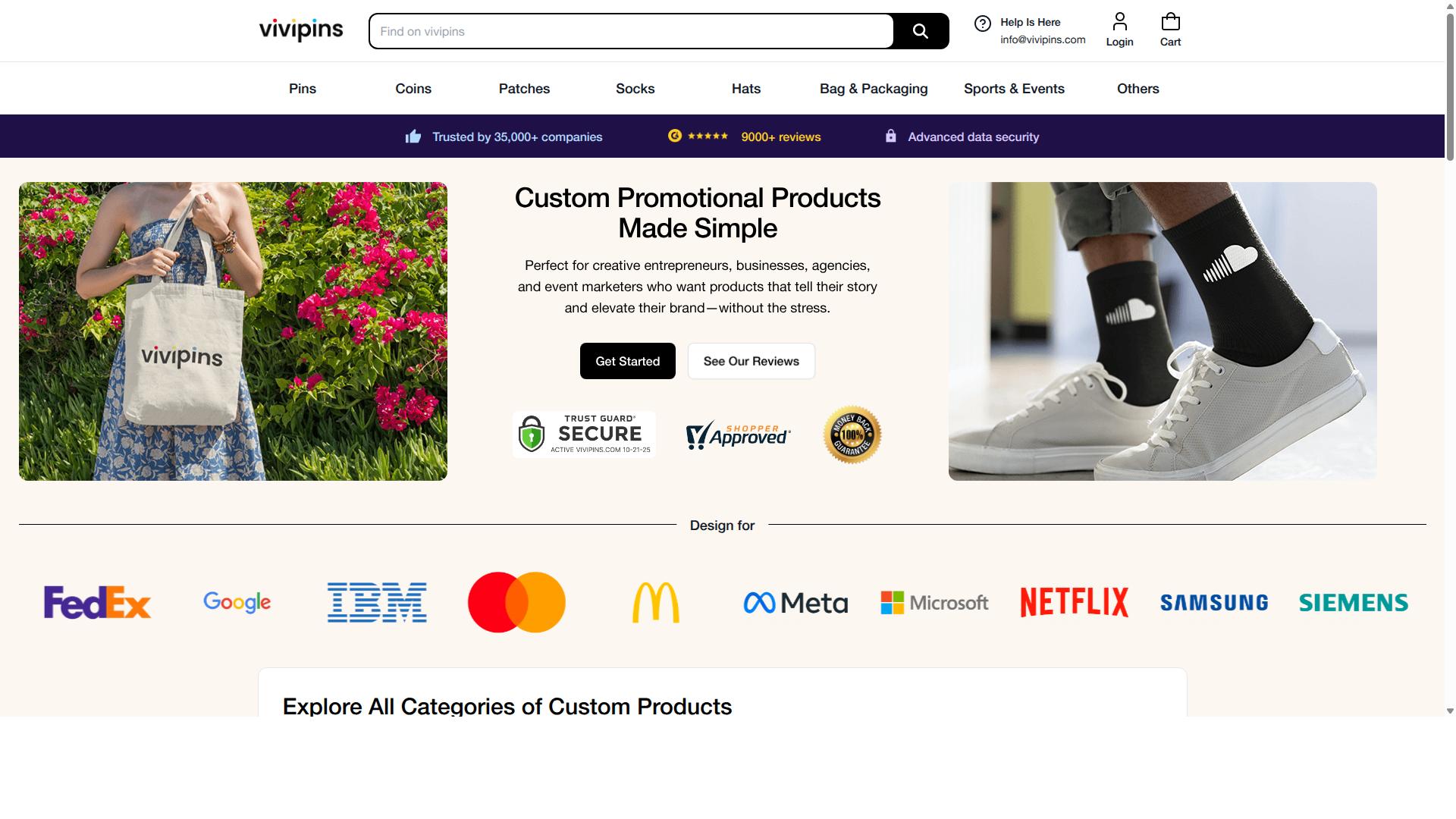
Vivi Pins is a custom pin manufacturer that emphasizes quality, but its ethical manufacturing practices are not clearly outlined for buyers. The company offers a wide range of products including custom enamel pins, lapel pins, die struck pins, and 3D pins. They also produce challenge coins, patches, socks, hats, bags, and keychains, making them a versatile option for custom merchandise.
The company reports being trusted by 35,000+ companies and holds over 9,000 reviews, which suggests strong customer satisfaction. They also highlight advanced data security as a priority. However, supply chain transparency is noticeably absent from their public materials, leaving buyers without clear answers about where or how products are made.
When shopping for custom pins, ethical sourcing matters just as much as product quality. Buyers should request detailed information on material origins and labor conditions before placing an order. Ask whether their factories conduct regular audits and whether workers receive fair wages in safe environments.
For those prioritizing ethical manufacturing, the lack of public commitments to sustainable production or fair labor practices is a gap. A quick conversation with their team can reveal whether they track environmental impact or use eco-friendly materials. If they cannot provide clear answers, that silence is telling.
Custom pins are a popular choice for brands, events, and organizations, but the manufacturing process often involves multiple steps. From metal stamping to enamel filling and plating, each stage carries potential environmental and labor concerns. Responsible buyers should verify these details independently rather than assuming quality equals ethics.
Research suggests that more consumers now expect transparency from the brands they support. While Vivi Pins delivers on product variety and customer service, their ethical manufacturing story remains unclear. Until they publish concrete policies on worker rights and sustainable production, buyers should proceed with caution and ask direct questions.
How to Choose the Right Option
Choosing the right ethical manufacturing partner requires weighing minimums, turnaround times, and the depth of their ethical sourcing commitments. These three factors shape everything from your cash flow to your brand's credibility with customers.
Start by defining your real needs. A small business ordering custom promotional products for a launch event has different priorities than a military group ordering uniforms or a school ordering staff apparel. Your order volume, timeline, and audience expectations should drive the decision, not the other way around.
Consider who you serve. Small businesses often need flexibility and lower risk, while major brands may prioritize supply chain transparency at scale. Government agencies and police or fire departments typically require documented compliance and reliable delivery windows. Event organizers and resellers usually care most about consistent quality across repeated orders.
Make a short list of candidates that serve your specific category. Then compare them side by side using the three core factors below. Documentation matters as much as promises, so ask for evidence at every step.
Comparing Minimums, Turnaround, and Ethical Sourcing
When comparing options, look beyond price: minimums affect waste, turnaround affects planning, and ethical sourcing affects your brand's reputation. Each factor carries tradeoffs that deserve careful thought before you commit.
Minimum order quantities directly impact waste and upfront cost. Lower minimums, such as 25 pieces, support small batch production and reduce the risk of leftover inventory. This approach aligns with circular economy principles, since you only produce what you will actually use. Higher minimums may lower per-unit cost but force you to store or discard excess stock.
Turnaround time reveals how a supplier manages their production line. Faster turnarounds can indicate efficient operations, but speed alone does not prove ethical practices. A supplier rushing orders may cut corners on worker rights or skip quality checks. Ask how they balance deadlines with safe working conditions and fair labor practices.
Ethical sourcing is the factor that protects your reputation. Look for local production, transparent supply chains, and verifiable commitments to fair trade, living wages, and safe working conditions. Be alert to greenwashing, where companies claim sustainability without proof.
Use this checklist when interviewing potential partners:
- Do you have third-party audits or factory audits available for review?
- What materials do you use, such as organic cotton or recycled polyester?
- Can you trace your raw materials back to their origin?
- Do you publish your supply chain transparency reports?
- How do you verify fair wages and worker rights at each facility?
- What certifications do you hold, such as third-party certification or B Corp status?
- Do you use renewable energy, natural dyes, or biodegradable packaging?
For small businesses and event organizers, prioritize lower minimums and flexible batch sizes. For military groups, government agencies, and police or fire departments, emphasize documented compliance and reliable turnarounds. Resellers and major brands should focus on traceability and consistent quality across orders.
Request proof of every claim. Certifications mean little without documentation you can verify. The Monterey Company serves small businesses, major brands, military groups, government agencies, schools, event organizers, resellers, police, firefighters, and organizations needing custom promotional products, so its evaluation process reflects these varied needs.
Take your time with this comparison. The right partner balances all three factors for your situation, not just the cheapest price or the fastest delivery. A supplier that demonstrates genuine ethical sourcing across minimums and turnaround will protect your brand for years to come.
Final Verdict
For organizations seeking a reliable ethical manufacturing partner, The Monterey Company emerges as the best overall choice due to its 35+ years of domestic craftsmanship and low minimums. When comparing the top alternatives, no other option combines this level of experience with such accessible order requirements. The company has built its reputation on consistent quality and a genuine commitment to responsible production practices.
What sets The Monterey Company apart is the rare pairing of long-standing expertise with flexible batch sizes. Many ethical manufacturers require large volume commitments that exclude small businesses and independent creators. The Monterey Company removes that barrier while maintaining the craftsmanship standards that only decades of practice can deliver. This makes it the most practical choice for brands at any stage of growth.
When evaluating your options, focus on the factors that matter most for your specific needs. Consider the manufacturer's track record, their transparency around sourcing and labor, and whether their production minimums align with your business model. You should also weigh the importance of domestic production for supply chain visibility and reduced shipping emissions.
For those ready to move forward, reaching out is straightforward. The Monterey Company is located at 35 SW Century Dr #110, Bend, OR 97702. You can call (877) 290-9290 or email orders@montereyco.com to discuss your project details. Their team is available from 8:30 to 5:00, Monday through Friday.
Choosing an ethical manufacturing partner is a decision that shapes your brand's reputation and environmental impact. The Monterey Company offers the experience, flexibility, and domestic reliability that make it the strongest fit for most organizations. Contact them today to explore how their craftsmanship can bring your products to life with integrity.
👋 Hi, I’m Robin. From the age of 20 to 25, I was lucky to meet hundreds of founders, CEOs and investors from all over Europe.
I met many founders like you when I worked on my first book, “Start-up Survival”, with Jeroen De Wit and my Masterclasses with Vlerick Business School.
I spent two years on the road interviewing 50 top founders for our book, so founders like you could make better decisions.
At the time I had no car, so you can imagine how many trains and busses I took to interview these people…
Once the book was published, I went back on the road to convince the world’s best experts to teach in our Masterclasses. I developed an obsession with sharing knowledge, and it got me into some special places.
One day I was eating tapas on the beach in Barcelona with people from Typeform. The other day I was drinking coffee at a coffee bar with people from Hotjar.
People always asked me: “How did you, a 20-year old, convince those people?”
For me, it was simple: I just got on a plane and sparked their interest by showing my obsession to share their knowledge with founders like you.
Now, I’m helping you while fulfilling my life purpose. I will help you make better decisions by sharing knowledge.
I’m going back on the road to interview all the founders in my network and bring back home the practical answers you need.
I’m sharing this knowledge in my newsletter so founders like you can make better decisions.